
Can All Hardwood Floors Be Refinished? Understanding Which Floors Will Last Decades in Your Home
How to Tell If Your Wood Flooring Can Grow with Your Family Through Multiple Refinishes and Style Changes
The decision to invest in wood flooring for your Northern Texas home should not be made lightly, and one of the most important questions homeowners in Van Alstyne, McKinney, and Anna ask us is whether their floors will be able to adapt over time. Can they be refinished when scratches accumulate, when trends change, or when a new generation moves in and wants to put their own stamp on the space? At Scott’s Home Remodeling, we have been installing and refinishing wood floors across Northern Texas since 2001, and owner Scott Randolph personally walks homeowners through these decisions because understanding the long-term refinishing potential of your flooring makes the difference between a floor that serves your family for a decade and one that lasts for generations.
Not all wood floors are built the same, and the type you choose today determines how many times you can sand, stain, and refinish it over the coming years. Solid hardwood floors can be refinished multiple times throughout their lifespan, while engineered hardwood has limitations based on the thickness of its top layer. Knowing which type of floor you have, or which type makes sense for your home, is critical to making a smart investment. With decades of experience in carpentry and home remodeling, we help Northern Texas families choose flooring that aligns with how they actually live and how long they plan to stay in their homes.
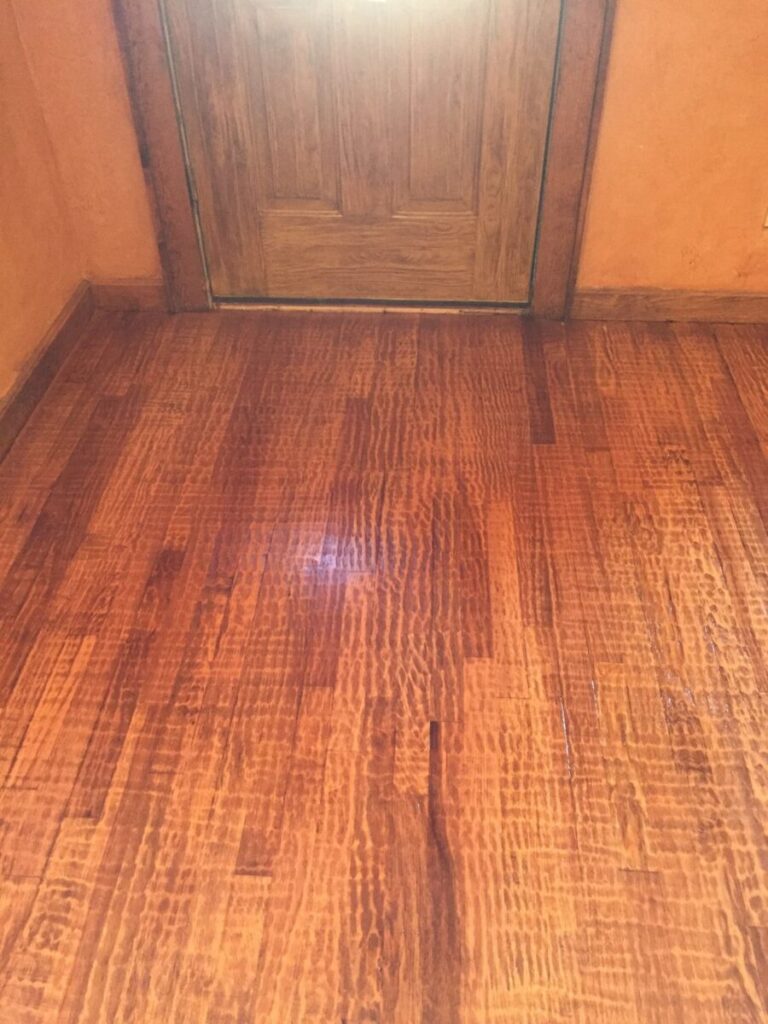
Why Solid Hardwood Remains the Gold Standard for Longevity
Solid hardwood flooring is exactly what it sounds like: each plank is milled from a single piece of wood, typically three-quarters of an inch thick. That thickness matters enormously when it comes to refinishing potential. Industry experts note that most solid hardwood floors can be sanded and refinished five to seven times over their lifespan, and with proper care, these floors can last 75 to 100 years or more.
Each time a floor is refinished, the sanding process removes roughly one-thirty-second of an inch of wood, just enough to expose fresh grain and eliminate surface scratches, dents, and discoloration. Because solid hardwood starts with so much material, it can withstand this process repeatedly without compromising the structural integrity of the floor.
For homeowners in Van Alstyne and the surrounding area who are purchasing homes they plan to stay in long-term, or who want flooring that can adapt to changing tastes and styles over the decades, solid hardwood offers unmatched flexibility. You can refinish it darker, lighter, or with a completely different finish as your preferences evolve, and the floor will continue performing beautifully for generations.
What You Need to Know About Engineered Hardwood and Refinishing Limits
Engineered hardwood flooring has become increasingly popular in Northern Texas homes, and for good reason. It combines a real hardwood veneer on top with layers of plywood or high-density fiberboard underneath, creating a product that is more dimensionally stable, more resistant to humidity fluctuations, and often easier to install than solid wood. It also tends to be more budget-friendly, which makes it attractive to homeowners working within tighter renovation budgets.
However, the trade-off is refinishing potential. The top layer of engineered hardwood, called the wear layer, is a thin veneer of real wood, and its thickness determines whether the floor can be refinished at all. Engineered floors with a wear layer under 2mm cannot be sanded and refinished. Floors with a wear layer between 2mm and 3mm can typically be refinished once, maybe twice if done very carefully. Higher-quality engineered products with wear layers of 4mm to 6mm can be refinished three to five times, which approaches the longevity of solid hardwood but still falls short.
The risk with engineered flooring is that if you sand too aggressively or refinish too many times, you will sand through the thin veneer and expose the plywood core beneath, which ruins the floor. This is why refinishing engineered hardwood requires precision and experience, and why it is not a good candidate for DIY projects unless you know exactly what you are working with.
How to Determine If Your Existing Floors Can Be Refinished
If you already have wood floors in your Northern Texas home and are considering a refinish rather than replacement, the first step is identifying what type of flooring you have. The easiest way to determine this is to remove a floor vent or register and look at the cross-section of the flooring. If you see a solid piece of wood with continuous grain running through it, you have solid hardwood. If you see distinct layers of wood pressed together like plywood, you have engineered hardwood.
Once you know the type, you can assess condition and thickness. For solid hardwood, the floor should be able to handle another refinish unless it has already been sanded down extensively or is showing structural damage like deep rot or extensive cracking. For engineered hardwood, you need to know the thickness of the wear layer, which is not always easy to determine without manufacturer documentation or professional evaluation.
A simple water test can also help you assess whether your floor needs refinishing. Pour a small amount of water onto the floor. If it beads up and sits on the surface, the finish is still intact. If it soaks into the wood quickly, the finish has worn through and refinishing is likely needed.
Why Professional Installation and Refinishing Expertise Matters
Choosing the right type of wood flooring and knowing when and how to refinish it are decisions that benefit enormously from professional guidance. At Scott’s Home Remodeling, we bring generations of carpentry expertise to every flooring project. Our approach is rooted in honest conversation about what will actually serve your home best, not just what moves product off a shelf.
Whether you are installing new solid hardwood that will last your family decades, upgrading to engineered hardwood in areas where moisture is a concern, or refinishing existing floors to breathe new life into your home, we take the time to explain your options, walk you through the trade-offs, and ensure the finished result aligns with how you live.
Ready to invest in wood flooring that will grow with your family for decades? Contact Scott’s Home Remodeling today for a free estimate.