
Fresh Walls, Lasting Results: Interior Paint Trends and Prep Tips
A fresh coat of paint is one of the most powerful transformations a home can experience, yet it is also one of the most underestimated. Studies show that color directly influences mood, perceived room size, and even how long a home spends on the market when it is time to sell. At Scott’s Home Remodeling, we have spent years helping homeowners turn tired, dated interiors into spaces they are genuinely proud to live in, and the difference almost always starts with paint. Whether you are refreshing a single room or committing to a full interior overhaul, understanding current color trends and proper preparation techniques will save you time, money, and a great deal of frustration.
The most common concern we hear from homeowners is not about which color to choose. It is about whether the finished result will actually look the way they imagined. Paint chips in a store look nothing like an entire wall in afternoon light, and that gap between expectation and reality is something every experienced painter knows how to close. The good news is that with the right guidance and preparation, the process is far more predictable than most people expect.
What Color Trends Are Shaping Interiors in 2026
Interior design has shifted in a meaningful way over the last few years. The all-white, minimalist aesthetic that dominated the 2010s has given way to something warmer, more personal, and notably bolder. Homeowners today are treating their walls as an opportunity for self-expression rather than a neutral backdrop, and the results are stunning.
Warm earth tones continue to lead the conversation in 2026. Shades like terracotta, warm ochre, and adobe clay bring an organic richness to living rooms and bedrooms that cooler palettes simply cannot replicate. These tones pair beautifully with natural wood furniture and linen textiles, creating a sense of grounded comfort that feels current without chasing a trend that will feel dated in three years.
Deep, moody hues are also having a genuine moment. Navy blue, forest green, and charcoal grey are no longer reserved for accent walls. Designers and homeowners alike are applying these colors to entire rooms, including ceilings, for a cocoon-like effect that makes a space feel intentional and sophisticated. When done correctly with the right sheen level and proper lighting, a dark room does not feel small. It feels like a destination.
On the softer end of the spectrum, dusty pinks, sage greens, and warm whites with a slight greige undertone are replacing the stark, cool whites that once dominated kitchens and bathrooms. These shades are forgiving under different lighting conditions and work across a wide range of design styles, from farmhouse to modern transitional.
How Sheen Level Changes Everything
One of the most overlooked decisions in any paint project is sheen selection. Flat and matte finishes absorb light and hide imperfections beautifully, making them ideal for ceilings and low-traffic areas. Eggshell and satin finishes offer a subtle glow and are much easier to wipe clean, which makes them the right call for living rooms, hallways, and bedrooms. Semi-gloss and gloss finishes are reserved for trim, doors, and cabinetry because they reflect light dramatically and hold up against frequent contact. Choosing the wrong sheen for a space is one of the fastest ways to make a professional paint job look amateurish, and it is a mistake that is costly to correct.
Why Preparation Is the Real Work
Here is something most homeowners do not realize until they are midway through a DIY project: the painting itself is only about thirty percent of the job. The other seventy percent is preparation, and it is the part that determines whether your results last three years or fifteen.
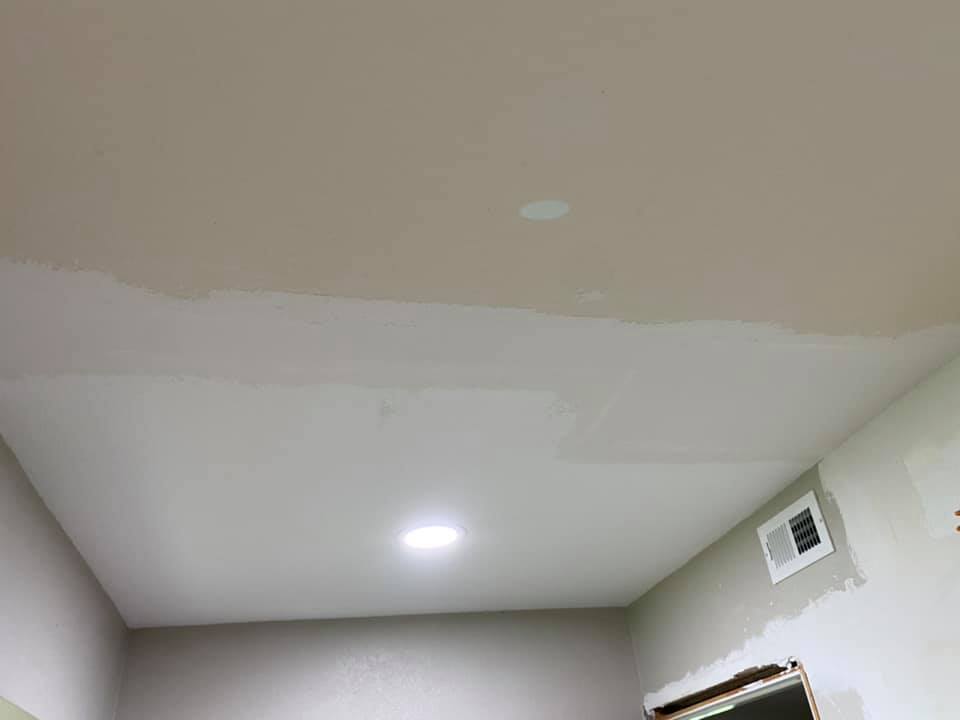
Proper preparation begins with a thorough cleaning of all surfaces. Walls accumulate grease, dust, and grime over time, particularly in kitchens and near entryways, and paint applied over a dirty surface will not bond correctly. After cleaning, any holes, cracks, or imperfections need to be filled with an appropriate patching compound and sanded smooth. This step requires patience and an experienced eye, because even small texture inconsistencies become visible once paint is applied, especially with a satin or eggshell finish.
Priming is another step that shortcuts tend to skip. A quality primer seals the surface, improves adhesion, and ensures that your topcoat color appears true to its intended shade. Skipping primer over fresh drywall or a significant color change is one of the most common reasons homeowners end up needing an additional coat of paint, which adds both time and cost to a project.
Taping and protecting surfaces is the final preparation stage, and it is not as simple as running blue tape along a baseboard. Professional painters know which tape to use on which surface, how long it can stay before it damages the underlying finish, and how to create crisp, clean edges that make the entire job look polished.
Trusting the Process and the Professionals
Imagine walking into your living room after a professional paint transformation and feeling like you have stepped into a completely different home, one that finally reflects who you are. That experience is not a luxury reserved for design magazine features. It is what happens when color selection, preparation, and application all come together correctly.
Scott’s Home Remodeling brings that level of care and craftsmanship to every interior paint project. Our team understands that your home is not just a property. It is where your life happens, and it deserves to be treated accordingly. From helping you choose the right colors for your specific lighting and lifestyle to delivering a finish that holds up beautifully over time, we are here to make the process as smooth as the walls we leave behind. Contact us today at Scott’s Home Remodeling to schedule your free consultation and take the first step toward a home you love coming back to.