
Dream Remodel: Planning Your Custom Home Remodeling Project
Every great home remodel starts the same way, with a feeling. Maybe you walk into your kitchen for the thousandth time and think, “This just isn’t working anymore.” Maybe your master bathroom feels more like a 1990s time capsule than a personal retreat. Whatever the spark, that feeling is the beginning of something exciting, and with the right team guiding you, it doesn’t have to feel overwhelming. At Scott’s Home Remodeling, we’ve spent years helping homeowners turn those “what if” moments into spaces they genuinely love coming home to, and we’ve learned that the difference between a dream remodel and a stressful one almost always comes down to how well it’s planned.
According to the National Association of Home Builders, the average homeowner spends between $20,000 and $75,000 on a major remodeling project, yet nearly 60% of remodelers report that their final costs exceeded their original expectations. That gap almost always traces back to one thing: planning gaps that show up after the work has already started. The good news is that those surprises are largely preventable, and understanding the planning process from the inside out is your most powerful tool.
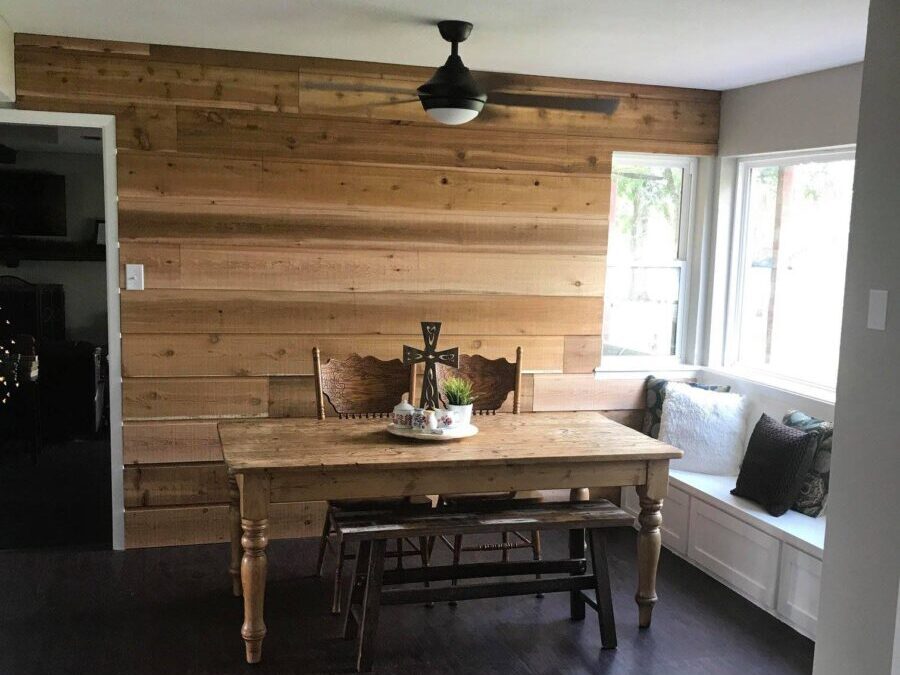
Start With the “Why” Before the “What”
Before you pick a countertop material or a tile pattern, you need to understand what you actually want your new space to do for you. This sounds obvious, but it’s the step most homeowners skip in the excitement of browsing inspiration photos. A remodel driven by a clear purpose, whether that’s creating more usable storage, improving natural light, or finally getting the open-concept layout you’ve always wanted, will almost always outperform one driven purely by aesthetics. Purpose gives your contractor a target. Aesthetics give it personality. You need both, but in that order.
Sit down and write out how you currently use the space, what frustrates you most about it, and what your daily routine would look like in the ideal version of that room. This exercise takes maybe 20 minutes, and it will save you hours of revisions and thousands of dollars in scope changes later.
Setting a Budget That Actually Works
Home remodeling budgets are tricky because there are two numbers that matter, what you want to spend and what the project actually costs, and they are often not the same number at the start. A good rule of thumb used by most experienced contractors is to set your target budget, then add a 15 to 20 percent contingency buffer on top of it. This isn’t pessimism, it’s smart planning. Once walls open up, older homes especially can reveal plumbing, electrical, or structural issues that weren’t visible during the initial walkthrough.
It also helps to understand where your money goes in a remodel. Labor typically accounts for 30 to 50 percent of total project cost depending on complexity, with materials, permits, and design fees making up the rest. Knowing this breakdown helps you make smarter trade-off decisions. Splurging on custom cabinetry while choosing a more affordable countertop material, for example, can keep you on budget without sacrificing the feeling you’re after.
Choosing the Right Contractor: What Most Homeowners Miss
The contractor you choose will make or break your remodel, and not just in terms of craftsmanship. Communication style, project management habits, and transparency about timelines and costs matter just as much as technical skill. When vetting contractors, look beyond their portfolio and ask specifically how they handle unexpected issues, how they communicate progress, and what their process looks like from signed contract to final walkthrough.
Red flags worth watching for include contractors who ask for large upfront payments before any work begins, who can’t provide references from recent projects similar in scope to yours, or who give you a quote without doing a thorough in-person assessment. A quality contractor will want to understand your project deeply before putting a number on it, because they know a rushed estimate is a promise they may not be able to keep.
The Timeline Conversation You Need to Have Early
Remodeling timelines have a reputation for stretching, and while delays can happen for legitimate reasons, a realistic timeline built in from the start dramatically reduces the frustration. A bathroom remodel typically runs four to six weeks. A full kitchen renovation often lands between eight and twelve weeks. Whole-home remodels vary widely based on scope. Ask your contractor to walk you through a week-by-week project schedule before you sign anything, and make sure it accounts for permit approval windows, which in many municipalities can add two to four weeks before a single tool is picked up.
Making It Yours: The Design Phase
This is where the fun lives. Once your budget is set and your contractor is selected, the design phase is your opportunity to translate that original feeling into specific choices. Work with your contractor or a design professional to create a cohesive vision that balances what you love aesthetically with what will serve your lifestyle practically. The best remodels feel personal, not just polished.
Scott’s Home Remodeling offers full design consultation as part of our project process, because we believe the planning conversation is just as important as the work itself. When a homeowner walks into a finished space and says it feels exactly right, that’s almost never an accident. It’s the result of a plan that was built carefully, thoughtfully, and with the homeowner’s real life in mind from day one. Your dream remodel is closer than it feels. It starts with a conversation. Reach out today to get started.